
Managing Muddy Fields and Ruts: How to Work Wet Ground Without Wrecking It
4/28/2026
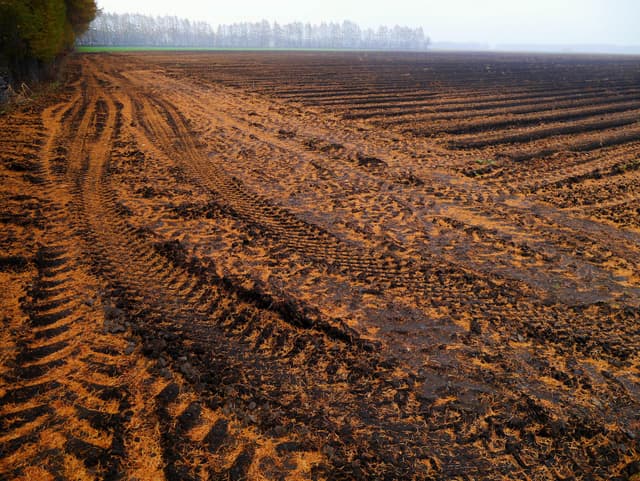
Gulf Coast springs can be relentless. Between persistent rain, heavy clay soils, and flat terrain that doesn't drain quickly, Texas property owners along the coast know better than most how fast a field can turn into a muddy mess. The challenge isn't just getting work done, it's getting work done without creating ruts and compaction that take months to fix. Here's how to approach wet ground the right way.
When you drive heavy equipment across saturated soil, you're not just leaving a surface impression, you're compressing the soil structure several inches down. That compaction restricts root growth, reduces water infiltration, and can affect crop yields or food plot performance for an entire growing season. Gulf Coast clay soils are especially vulnerable because they hold moisture longer and compact more severely than sandy or loamy soils.
The visible rut is just the symptom. Subsurface compaction is the real problem, and it doesn't go away on its own.
Before taking equipment into a wet field, do the boot test: walk the area and pay attention to how much your boots sink with each step. If you're sinking more than an inch or two, the ground isn't ready for equipment. If the surface feels firm even though it looks wet, you likely have workable conditions in the top few inches. Proceed carefully and monitor as you go.
Sometimes the work can't wait. When you have no choice but to operate in marginal conditions, these steps reduce the damage:
Once the ground dries out, ruts need to be addressed before they harden into permanent features. A box blade or land plane is the most effective tool for rut repair on most Texas properties. Drag material back into the low spots, level the surface, and roll it if possible before the next rain event. Deep ruts in pastures may require fill material before grading.
For severely compacted areas, a subsoil tillage pass with a chisel plow or ripper can break up deep compaction before re-grading. This is worth doing on food plots or high-traffic pasture areas where compaction is visibly affecting grass health.
The best wet-ground management strategy is timing. Watching the forecast and building flexibility into your work schedule pays dividends on a Gulf Coast property. A few extra days of patience after a rain event, waiting for that workable window, saves you hours of rut repair and months of reduced soil performance.
Still have questions about the right tractor or implements for your property conditions? Reach out the team of experts at your local Shoppa’s John Deere to discuss your specific property needs.
The boot test is your most reliable field check — if you're sinking more than an inch or two with each step, the ground isn't ready for equipment. Gulf Coast clay soils in particular hold moisture longer than they appear to, so surface conditions can be deceiving.
Once the ground dries, use a box blade or land plane to move material back into ruts and level the surface. Deep ruts may require fill before grading, and severely compacted areas benefit from a subsoil tillage pass with a chisel plow or ripper before re-grading.
Yes. Reducing tire pressure spreads your tractor's weight over a larger contact area, which reduces pounds-per-square-inch ground pressure and minimizes compaction in soft conditions. Always stay within the minimum pressure limits listed in your operator's manual.