
Best Practices for Tilling Your Garden or Food Plot in Late Spring
4/15/2026
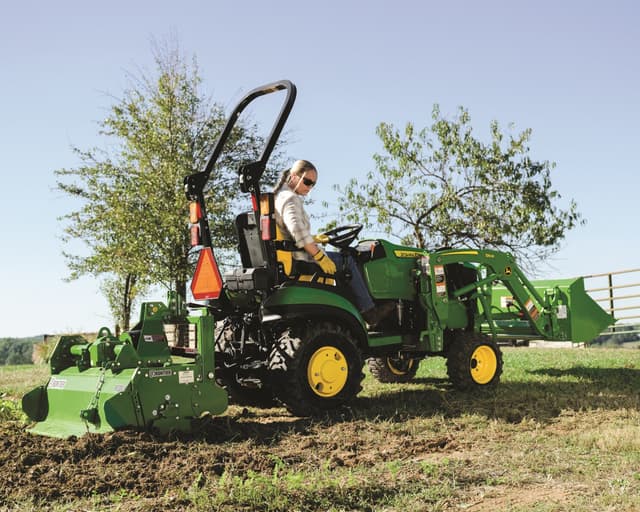
Late spring tilling is a topic that divides Texas landowners every year. Till too early and you're working ground that's still too wet from spring rains. Wait too long and the summer heat is already bearing down, drying the seedbed faster than you can plant it. Get the timing and technique right, though, and late spring tillage sets you up for a productive planting season — whether you're working a backyard garden plot outside of Houston or managing food plots across a lease in East Texas.
The most common late-spring tilling mistake in the Gulf Coast region is working soil that looks dry on top but is still saturated a few inches below the surface. Tilling wet soil doesn't improve it — it compacts it into dense clods that resist root growth and drain poorly all season long.
The simple squeeze test tells you what you need to know: grab a handful of soil from a few inches down and squeeze it firmly. If it crumbles apart when you open your hand, it's ready. If it holds a slick, muddy shape, give it more time. Gulf Coast soils, and particularly the clay-heavy ground common across South and East Texas hold moisture longer than you'd expect after a rain event, so be sure to have patience.
For garden plots and food plots alike, 4–6 inches of tillage depth is the right target for most late spring applications. Going deeper than necessary doesn't improve the seedbed, it just burns more fuel, puts more strain on your implement, and can bring up lower-quality subsoil that hurts germination.
For initial breaking of unworked ground, a disc harrow is the right tool for most Texas properties. For finer seedbed preparation in established plots, a rotary tiller produces a more consistent, plant-ready surface. John Deere's Frontier line covers both, and sizes are available to match everything from a 1025R sub-compact up to the larger 4 Series compact utility tractors.
One pass through compacted late-spring ground often isn't enough, particularly in clay-dominant South Texas soils. A first pass breaks the surface, a second pass (run perpendicular to the first) breaks up remaining clods and creates a more uniform seedbed. Resist the urge to rush through a single sloppy pass when conditions aren't ideal. Two clean passes in good conditions will outperform three passes in marginal ones.
Late spring in the Gulf Coast region means unpredictable weather windows. Keep an eye on the forecast and aim to till 2–4 days after a rain event, once the soil has dried to workable condition but before it bakes hard in the heat. Tilling right before a forecasted rain can work in your favor for food plots, as moisture helps newly worked soil settle and speeds up germination once seed is down.
Late spring soil can be rough on tillage equipment, especially once the ground starts drying out and hardening. Check your disc blades or tiller tines for wear before the season gets going. Dull or bent blades work harder, strain your tractor's PTO, and produce an inconsistent seedbed. Replacing worn components before the season is far cheaper than dealing with a breakdown mid-plot.
Have questions about which tillage implement is right for your property? The team at Shoppa's John Deere can help you find the right fit.
For most Gulf Coast and South Texas properties, the ideal late-spring tilling window is 2–4 days after a rain event, once soil has dried to workable condition but before summer heat sets in. Avoid tilling wet soil which compacts rather than improves when worked too early.
For most late spring applications, 4–6 inches is the right target. Going deeper burns more fuel, strains your implement, and can bring up lower-quality subsoil without meaningfully improving the seedbed.
A disc harrow is better suited for initial ground breaking in unworked or heavily compacted soil, while a rotary tiller produces a finer, more consistent seedbed ideal for established food plots. Both are available in Frontier sizes compatible with John Deere compact tractors.